

Australian Men's Back Pain and the Workplace: A Silent Burden Driving a Growing Mental Health & Productivity Crisis
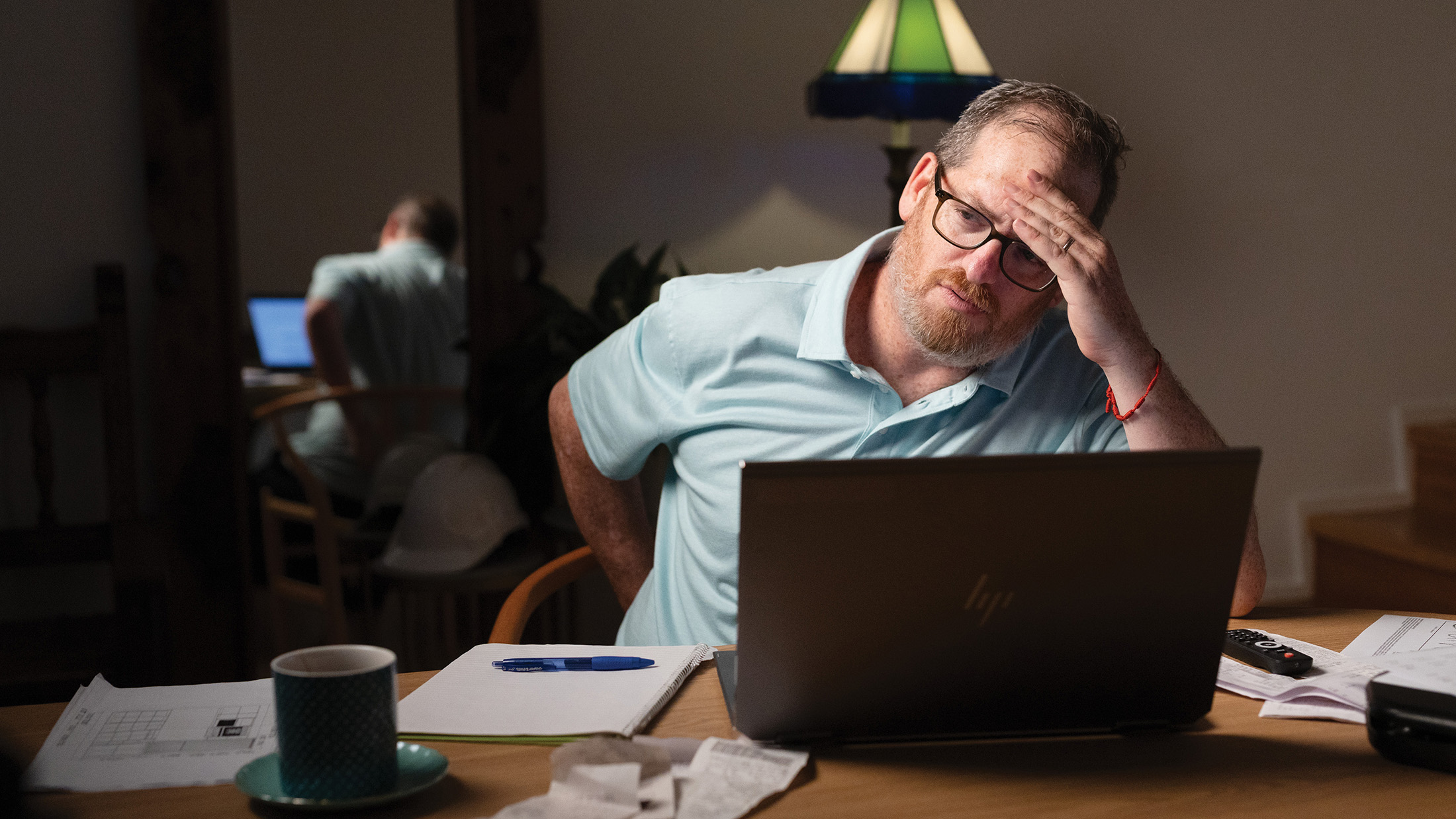
Back pain adds to the mental load of 49.7% of Australian back pain sufferers.
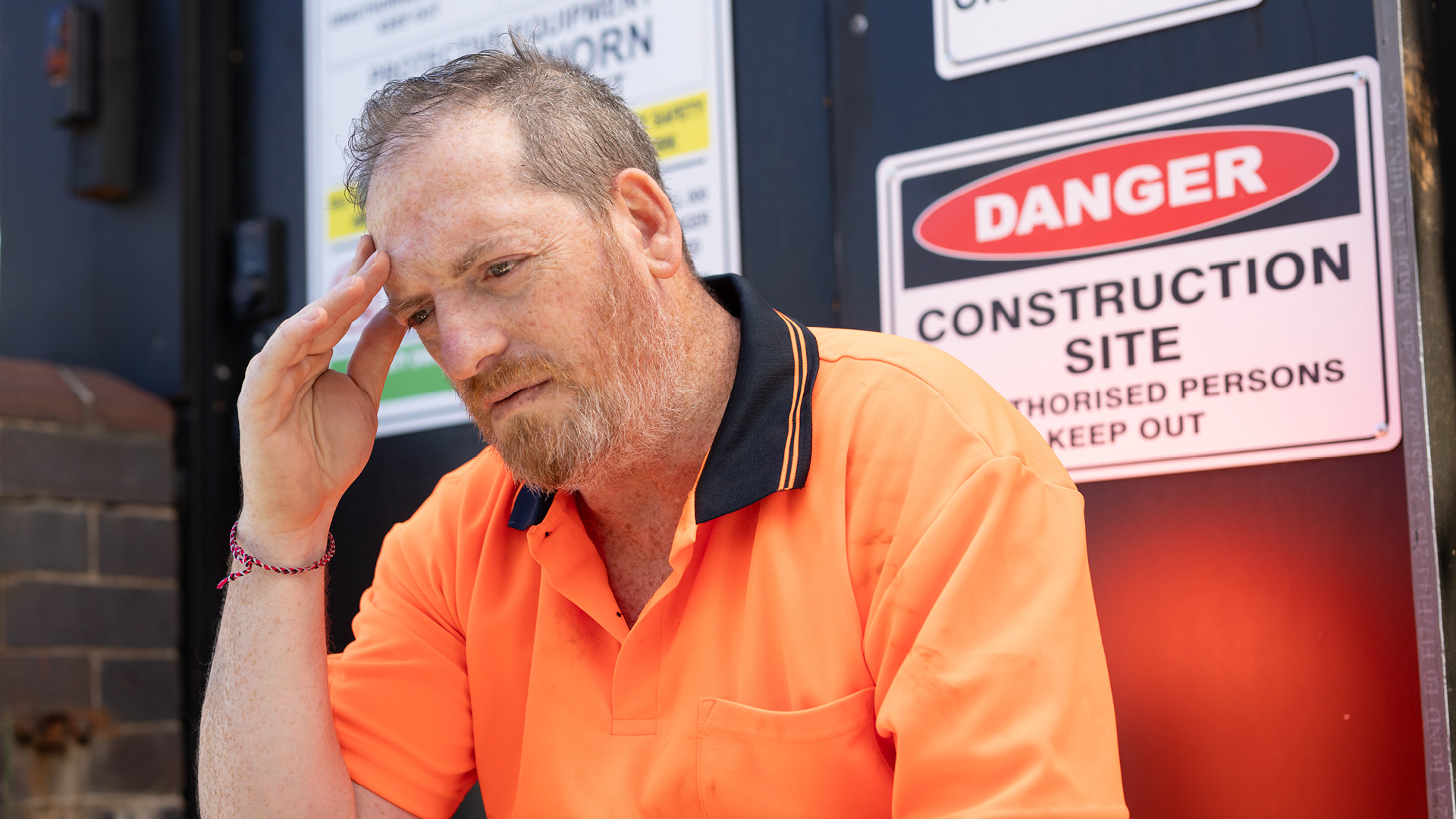
Spinal Health Month - A Healthy Spine Supports A Healthy Spine

Spinal Health Month - A Healthy Spine Supports A Healthy Mind
New data reveals men’s back pain is driving hidden mental health, productivity and economic impacts, with chronic back pain projected to cost $638B.
New data obtained from the 2026 Spinal Health Survey, an independent national survey of 1,040 Australian adults by Pureprofile in May 2026, revealed 87.5% of Australian men reported suffering back pain in the last 12 months, with the impact on their mental health peaking sharply during their working decades.
Dr Billy Chow, ACA President said, “The survey revealed that 57.0% of men aged 31–40 reported moderate-to-extreme mental health impact from back pain, the highest mental health burden of any male age group and higher than women in the same age group (54.8%).
“With the coexistence of back pain and mental health conditions associated with impaired quality of life, the rising high level of back pain burden carried by Australian men can increase the risk of developing chronic back pain conditions impacting men’s mental health while increasing the financial burden on sufferers and the economy,” said Dr Chow.
“Of concern, is that despite the large number of men experiencing back pain, the survey showed that men are less likely to seek professional care; are more likely to self-manage with over-the-counter (OTC) medications; and are significantly less likely to discuss the mental health consequences,” he said.
The link between back pain and depression is well documented in research studies including a study by the International Association for the Study of Pain (2021) finding people living with chronic back pain are at heightened risk of experiencing mental health problems.
“47.8% of men reported suffering back pain although they’d never sought a formal medical diagnosis, with men’s GP consultation rates falling -21.9% between 2024-2026 (three-times the rate of decline among women (-7.5%)) increasing the risks to men’s ongoing physical and mental health,” he said.
“When chronic back pain leads to psychological and social problems, depressive symptoms can worsen back pain and increase the disability associated with the condition; which in turn can exacerbate back pain’s negative impact on the mental health of sufferers,” he said.
“This vicious cycle, where back pain triggers a mental health problem that leads to the original back problem worsening can continue accelerating unabated in the absence of interventions to break the pain cycle, while the costs of musculoskeletal disorders (MSDs), including back pain, to the Australian economy continues increasing,” Dr Chow said.
6.1 million Australians are already affected by MSDs, of which 58% are of working age in their peak income-earning years (25-64) with the annual cost to the Australian economy $55.1 billion including direct health costs, lost productivity and reduced quality of life (Deloitte).
According to a Deloitte Access Economics report, the rising cost of MSDs in Australia presents a strong case for a proactive, strategic response to MSD management (including back pain), with the findings of the 2026 Spinal Health Survey supporting Deloitte’s results.
The survey found the impact of back pain on working Australians was significant, with 92.9% of employed Australians having experienced back pain, and one-in-five (21.7%) reporting impaired workplace productivity as a result.
Among peak working-age (25–60yrs) Australians who reported low back pain, 28.5% said in the past 12 months they required time off work or were no longer able to work due to back pain.
Physical workers who lift carry the highest clinical burden with 49.4% reporting chronic pain and 55.5% having a moderate-to-extreme mental health impact as a result - the highest of any workplace activity type.
Construction and trades recorded the highest burden by industry. With hands-on trades having the highest concentration of male workers (98-99%), and 88% of construction workers being men, 60.0% of back pain sufferers working in these sectors reported having chronic back pain and 64.0% reported moderate-to-extreme mental health impact.
44.0% of all male back pain sufferers experienced chronic back pain (pain persisting for 12 weeks or more). Unsurprisingly, workers who ‘stand’ recorded the highest chronic pain rate at 55.4%; 11.1 percentage points (pp) more than average. Shift workers also showed 5.7pp more chronic pain than day workers and 3.7pp greater mental health impact than day workers.
However, with 75% of employed Australians suffering back pain performing computer or desk work, the most commonly reported work-related triggers for back pain were desk work (26.4%), computer use (22.7%), poor ergonomics (12.3%) and workplace injury (7.9%). Employed respondents reported 44.8% chronic pain rate with 44.6% experiencing moderate-to-extreme mental health impact.
Research by Monash University’s School of Public Health and Preventive Medicine (August 2025) has projected that if we fail to tackle common back pain through promoting advice to stay active and receive appropriate care, by 2033, 3.2 million working-age Australians will be living with chronic back pain, leading to a loss of approximately 4.6 per cent to Australia’s gross Domestic Product over a 10-year period.
With back pain posing a major public health burden affecting millions of sufferers across Australia, long-term chronic back disorders are projected to cost the Australian economy an estimated $638 billion in lost productivity over the next decade.
The ACA member survey of 110 chiropractors reinforces these findings. 47% of chiropractors have back pain patients on workers’ compensation leave with financial constraints cited as the single biggest clinical challenge by 50% of practitioners.
"Preventing back pain should be treated as a workplace health and safety priority by every industry including those that fall into the low-risk industries to minimise the consequences of untreated back pain on workers’ physical and mental health while minimising workers’ compensation claims, sick leave and reduced workforce participation and productivity,” said Dr Chow.
Week 2 of Spinal Health Month, the ACA is encouraging workplaces, employers and working-age Australians to assess their spinal health habits, understand the triggers and access a range of free resources at www.spinalhealth.org.au to improve the spinal health and overall wellbeing of the Australian workforce.
INTERVIEWS: ACA@insightcommunications.net.au
MEDIA CENTRE: https://bit.ly/SHM26-Media
Alice Collins
Insight Communications
+61 414 686 091
email us here
Visit us on social media:
LinkedIn
Instagram
Facebook
YouTube
X
Spinal Health Month 2026
Legal Disclaimer:
EIN Presswire provides this news content "as is" without warranty of any kind. We do not accept any responsibility or liability for the accuracy, content, images, videos, licenses, completeness, legality, or reliability of the information contained in this article. If you have any complaints or copyright issues related to this article, kindly contact the author above.
